
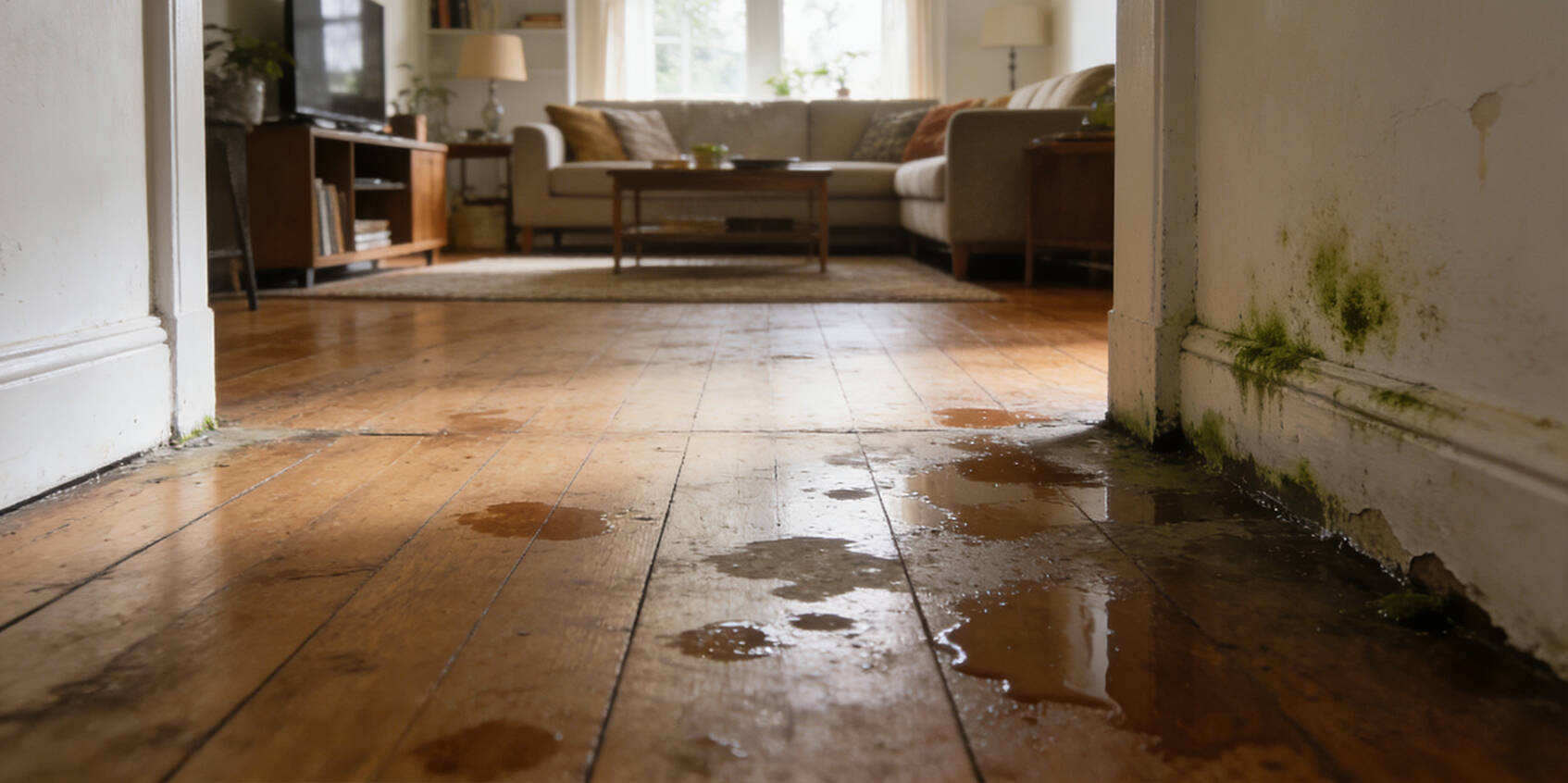
Water damage can happen suddenly — whether it’s from a burst pipe, a heavy storm, or an unexpected appliance leak. Once water gets into your space, the damage can escalate quickly. Mold can begin growing in as little as 24–48 hours, and the longer moisture stays trapped, the more structural issues it can cause.
If you’ve experienced water damage, here’s a simple, practical breakdown of what to do next and how to restore your space safely and efficiently.
Start by Addressing the Source of Water
Before any drying or cleaning begins, stop the source.
• Turn off the main water supply (if it’s from plumbing).
• Repair the leaking pipe or appliance.
• If due to a storm, wait until it’s safe to enter the space.
Fixing the source ensures you don’t waste time drying a space that will just get wet again.
Remove Surface Water and Begin the Drying Process
After removing visible standing water from the area, the next step is to begin drying immediately. This is where air movers play a critical role.
Air movers create high-velocity airflow that helps moisture evaporate from floors, walls, and structural materials much faster than natural air circulation. Faster evaporation means less risk of mold, warping, and long-term damage.
Even a small amount of moisture left behind can cause problems — which is why proper drying equipment is essential.
Use a Commercial Dehumidifier to Extract Deep Moisture
As moisture evaporates into the air, humidity levels rise quickly.
A commercial-grade dehumidifier pulls that moisture out of the air and out of the structure, preventing:
• Mold growth
• Musty odors
• Swollen wood and flooring
• Structural deterioration
For basements, crawl spaces, and larger rooms, a standard home dehumidifier simply can’t keep up. A commercial unit ensures the entire area reaches a safe, fully dry state.
Improve Air Quality During Restoration
Floods often carry bacteria, dust, and mold spores. This is where an air scrubber becomes extremely useful. It filters the air through HEPA and activated carbon, helping remove:
• Mold spores
• Dust
• Odors
• Harmful airborne particles
This step improves indoor air quality and makes the entire restoration process safer.
Why a Complete Water Damage Restoration Combo Pack Works Best
For serious water damage, professionals rely on a combo pack that includes the following equipment:
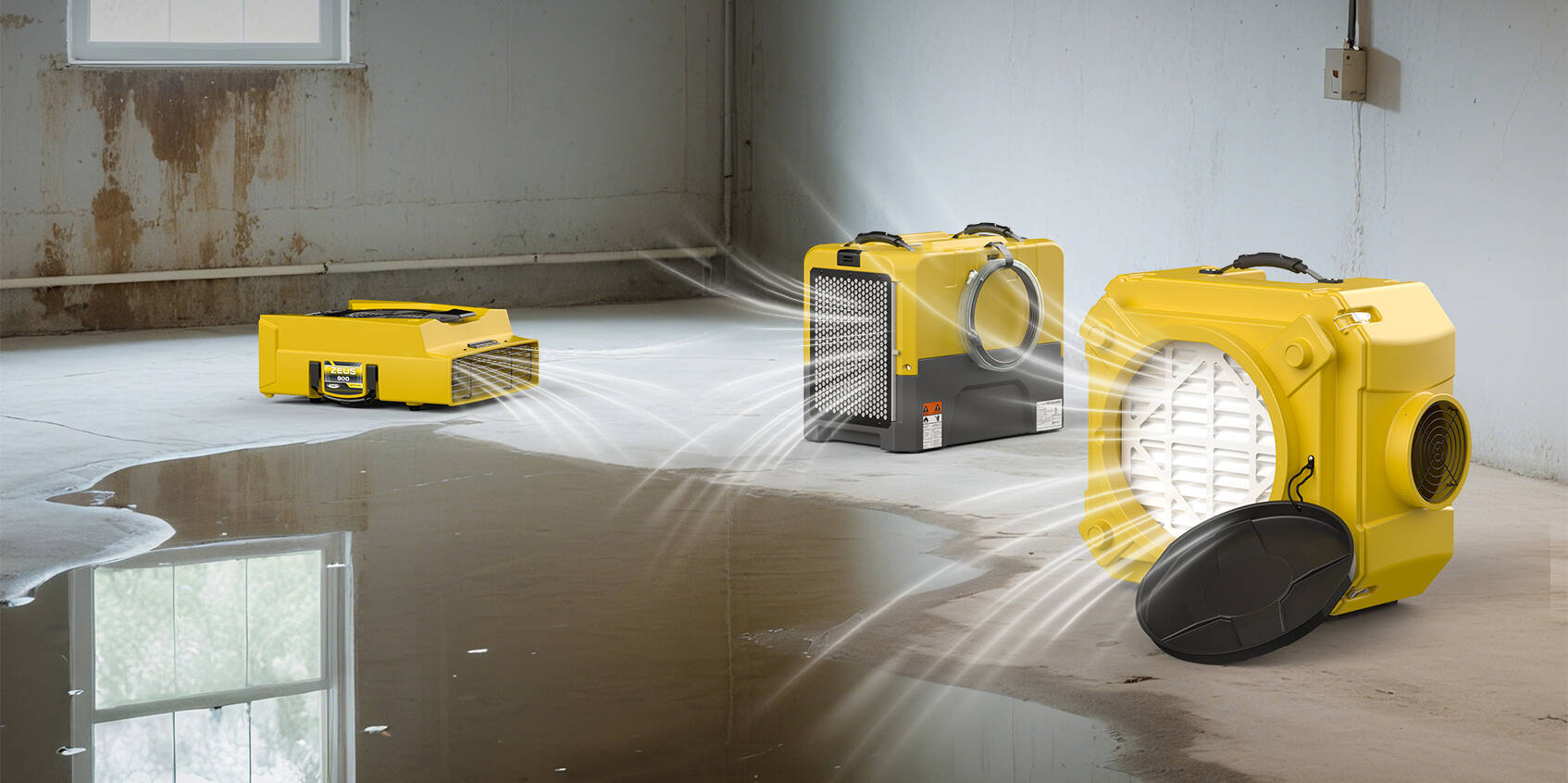
Air Movers — accelerate evaporation
Dehumidifier — extract deep moisture
Air Scrubber — filter and purify the air
These machines work together to dry spaces faster and more thoroughly — reducing secondary damage and preventing costly repairs later.
Our Water Damage Restoration Combo Kit includes all three, designed to work together as a complete solution for homeowners, contractors, and restoration professionals.
Monitor Until the Area Is Fully Dry
Use a hygrometer to ensure the space has returned to normal humidity and the materials are fully dry, as hidden moisture can still cause future issues if not fully eliminated.
Final Thoughts
Water damage can be stressful, but taking fast and effective action makes all the difference. With the right restoration setup, you can dry the area thoroughly, prevent mold, and restore your space safely.
If you need help choosing the right equipment or want to learn more about our Water Damage Restoration Combo Pack, feel free to leave a comment below.
