
Crawl spaces are often overlooked, yet they play a crucial role in maintaining a healthy and comfortable home. Excess moisture in these areas can lead to mold, odors, structural damage, and even attract pests. Choosing the right dehumidifier for your crawl space is essential to prevent these issues.
In this guide, we’ll walk you through the key factors to consider and tips for selecting the perfect unit for your space.
Why Crawl Space Humidity Matters
Crawl spaces are prone to high humidity because they often have poor ventilation, moisture from the soil, and seasonal fluctuations in temperature and humidity.
High humidity in these spaces can cause a range of problems:
• Mold growth – which can spread to the rest of the home and cause health issues.
• Musty odors – making the home less comfortable.
• Allergens and bacteria – contributing to respiratory problems.
• Structural damage – moisture can weaken wood and other materials over time.
• Pests – damp conditions attract insects and rodents.
If left unchecked, this can lead to costly repairs and may even damage other parts of your home.
Key Factors That Determine the Right Size
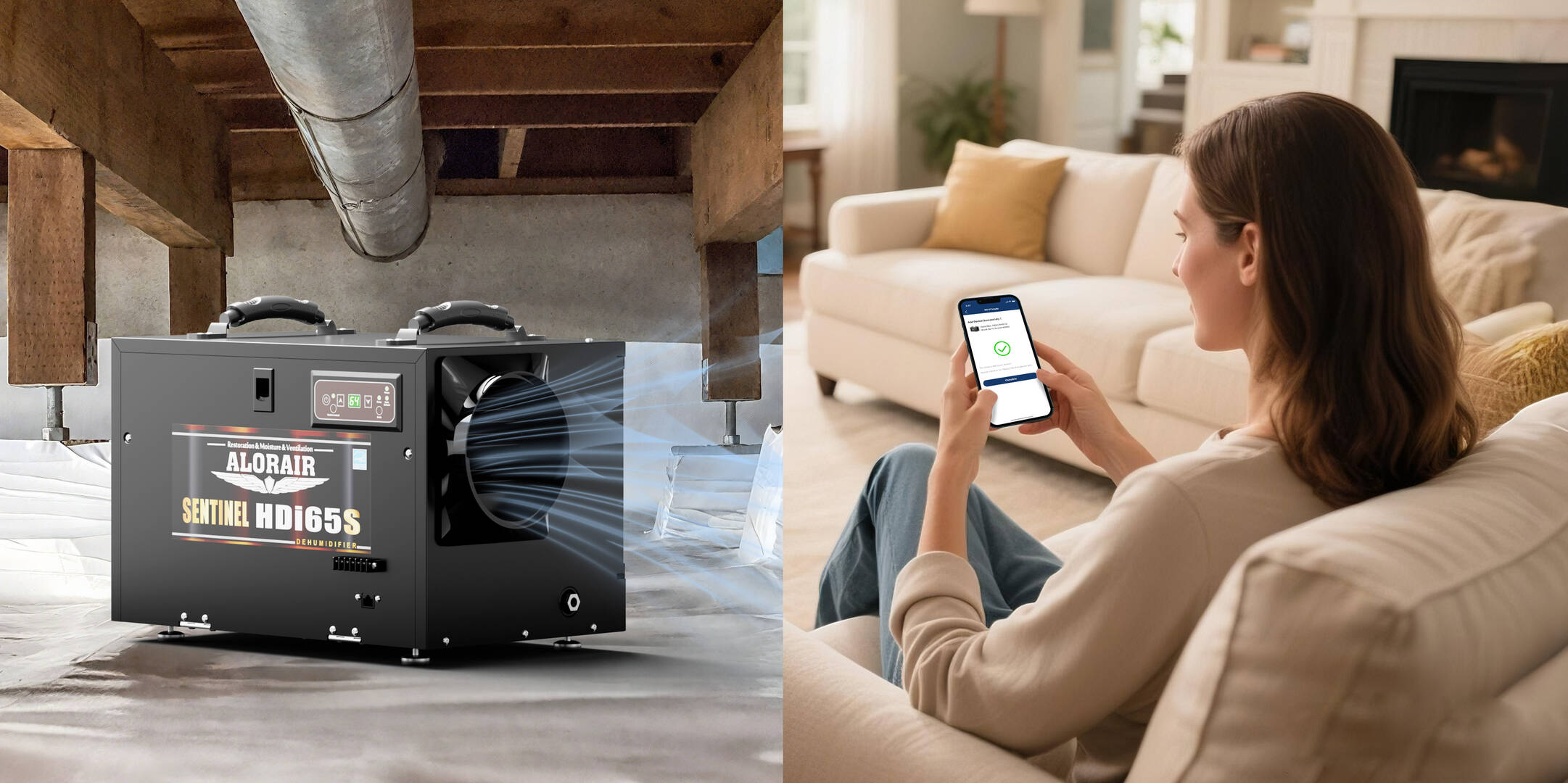
Choosing the right size dehumidifier is crucial. A unit that’s too small won’t remove enough moisture, while an oversized unit may be inefficient. Proper sizing ensures your crawl space stays dry and protected all year round.
When selecting a dehumidifier for your crawl space, consider these key factors:
• Crawl space area (sq ft): The bigger the space, the higher the capacity you’ll need.
• Ceiling height (cubic feet): Higher ceilings mean more air to dehumidify, which can affect capacity requirements.
• Humidity level: Light, moderate, or severe humidity will determine how powerful your unit needs to be.
• Ventilation: A sealed crawl space retains more moisture, while a partially open one may allow some airflow — this impacts the dehumidifier’s workload.
• Water sources: If there’s groundwater seepage, standing water, or high soil moisture, you may need a more robust unit to keep the space dry.
By evaluating these factors, you can choose a dehumidifier that matches your crawl space’s specific needs.
Choosing the Right Dehumidification Capacity
When sizing a crawl space dehumidifier, two factors matter most: the size of the area and how damp it is.
In general, the larger the space and the higher the humidity, the more capacity you’ll need.
A smaller crawl space with mild moisture usually only needs a light-duty unit, while a large space with high humidity requires a heavy-duty model.
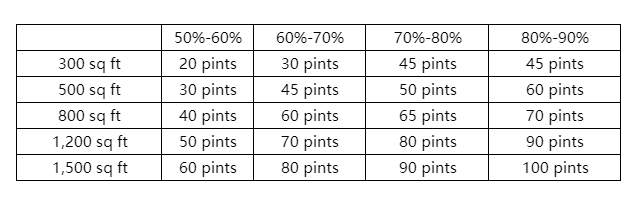
The chart above gives a helpful guideline showing how recommended capacity increases from smaller areas with moderate humidity to larger, heavily saturated crawl spaces.
To choose more accurately, it’s best to use a hygrometer to measure your crawl space’s actual humidity level. This ensures you select a unit that can effectively control moisture.
Installation Tips for Better Performance
Once you’ve selected the right dehumidifier, proper installation is key to achieving optimal results:
• Place it in the center of airflow: Ensure the unit can circulate air effectively throughout the space.
• Keep vents unobstructed: Make sure nothing blocks the intake or exhaust, so the unit can work efficiently.
• Seal the crawl space as much as possible: Reduces external moisture from entering and improves efficiency.
• Use a drain hose for continuous drainage: This keeps the unit running without needing frequent emptying of the water reservoir.
Following these tips will help your dehumidifier maintain the right humidity level and protect your crawl space year-round.
Conclusion
By evaluating your crawl space’s size, humidity level, and ventilation, you can choose a dehumidifier that effectively controls moisture and protects your home.
Proper installation and maintenance further ensure optimal performance. Taking these steps not only preserves your crawl space but also enhances the comfort, safety, and longevity of your entire home.
