
When it comes to improving indoor air quality, air scrubbers and air purifiers are often mentioned together — and sometimes confused with each other. While both are designed to clean the air, they serve different purposes and are built for different environments. Understanding the difference can help you choose the right solution for your space.
What Is an Air Purifier?
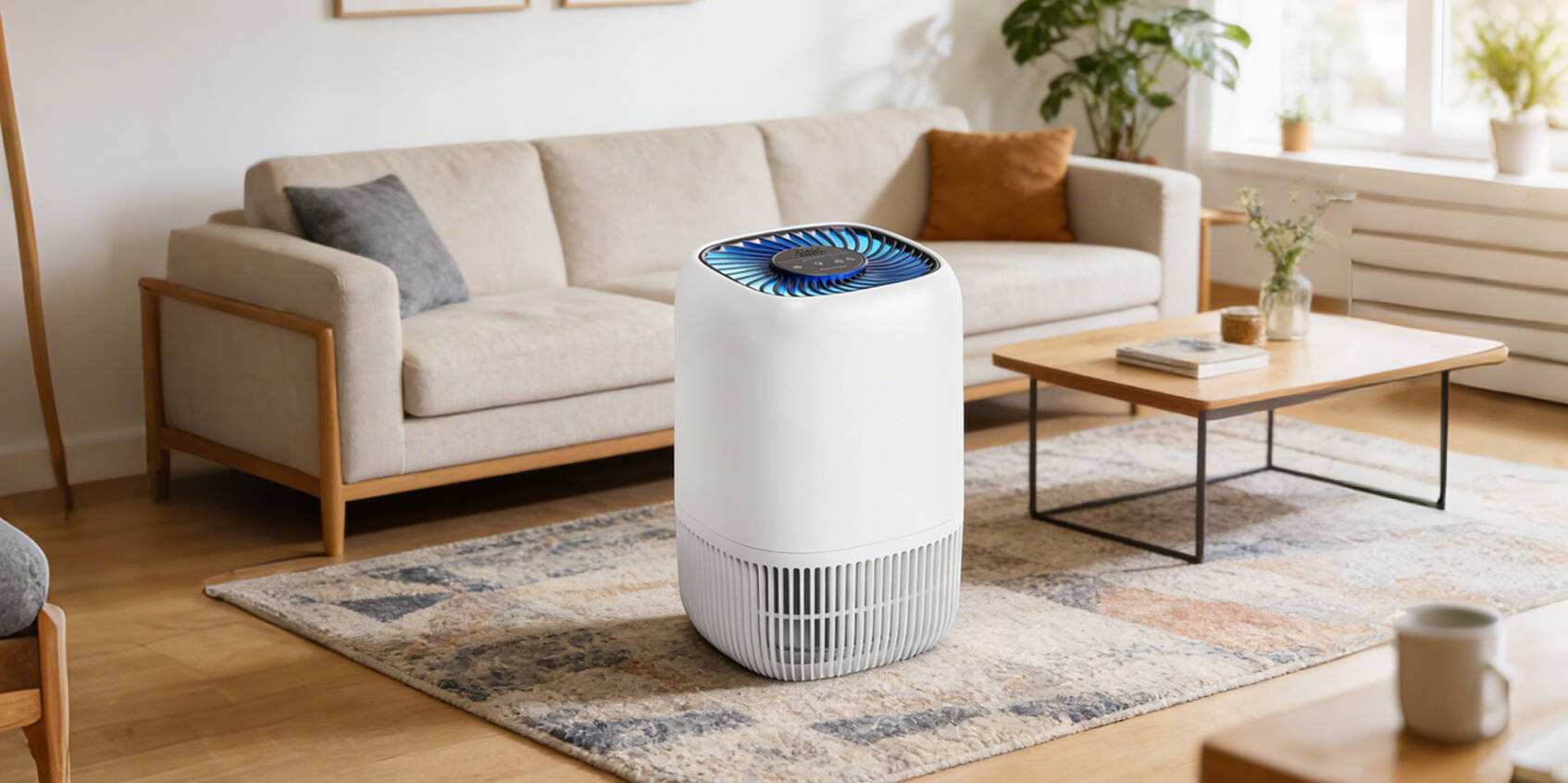
An air purifier is designed for everyday indoor air quality improvement in living spaces such as bedrooms, living rooms, or offices.
It typically:
• Recirculates indoor air
• Uses filters (like HEPA or carbon) to capture dust, pollen, pet dander, and odors
• Runs quietly for continuous use
• Is made for occupied, clean residential environments
Air purifiers are ideal if you’re dealing with:
• Allergies or asthma
• Pet hair and dander
• Everyday household odors
• General dust and fine particles
What Is an Air Scrubber?
An air scrubber is a more powerful, industrial-grade air cleaning device. It’s commonly used in construction, renovation, restoration, and commercial settings.
It typically:
• Moves a much higher volume of air (high CFM)
• Uses true HEPA filtration to capture very fine particles
• Can create negative air pressure to prevent contaminants from spreading
• Is designed for heavy-duty jobs
Air scrubbers are often used for:
• Construction or renovation projects
• Mold remediation
• Fire or water damage restoration
• Workshops, basements, crawl spaces, or job sites

Air Scrubber vs. Air Purifier: Key Differences
While both air scrubbers and air purifiers improve indoor air quality, they are built for different levels of air cleaning.
1. Filtration Technology
Air scrubbers typically use multi-stage filtration systems, often combining pre-filters, true HEPA filters, activated carbon, and in some cases UV-C technology. This layered approach allows them to capture fine dust, mold spores, odors, and VOCs more aggressively and efficiently.
Air purifiers usually rely on HEPA and activated carbon filters as well, but with a simpler setup. They perform well for everyday concerns like allergens and light odors, though they’re not designed to handle heavy particle loads or highly contaminated air.
2. Coverage and Performance
Air scrubbers are built for high airflow and fast air turnover. They can process large volumes of air in a short time, which makes them far more effective when air quality needs to be corrected quickly or thoroughly.
Air purifiers operate at lower airflow rates and are designed for steady, long-term air cleaning. They help maintain cleaner air over time rather than rapidly clearing airborne contaminants.
3. Maintenance Requirements
Because of their powerful filtration systems, air scrubbers generally require more frequent filter checks and replacements. Proper maintenance is critical to ensure consistent performance, especially when used in demanding conditions.
Air purifiers are easier to maintain. Most only require periodic filter changes, and many models include indicator lights to signal when replacement is needed.
4. Cost Considerations
Air scrubbers tend to have a higher upfront cost and higher ongoing maintenance expenses. That said, they are a worthwhile investment when air quality problems are severe or temporary conditions require intensive air cleaning.
Air purifiers are usually more affordable, making them a practical option for everyday indoor air quality management.
Final Thoughts
When comparing air scrubbers and air purifiers, it’s clear that each serves a different purpose. Air scrubbers are built for tougher air quality challenges, such as mold remediation, renovation dust, and heavily contaminated environments. Their higher airflow and multi-stage filtration allow them to remove pollutants more aggressively and efficiently.
Air purifiers, by contrast, are ideal for everyday use. They help maintain cleaner indoor air, reduce allergens, and improve overall comfort in homes and offices.
Understanding the difference makes it easier to choose the right solution based on your needs.
